How I Finally Calmed My Aching Lower Back — A Real Food-Based Approach
Lower back pain affects millions, yet few connect it to what they eat. I ignored this link for years—until constant stiffness and discomfort pushed me to dig deeper. What I found wasn’t magic, but science: inflammation plays a major role, and diet can either fuel or fight it. This is my journey to support my lumbar health from the inside out, using real food changes that made a real difference. It wasn’t about quick fixes or trendy supplements, but a thoughtful shift in daily eating habits that quietly transformed how I felt. The relief didn’t come overnight, but with consistency, the persistent ache that once defined my mornings began to fade.
The Pain That Wouldn’t Quit
For over a decade, I lived with a dull, persistent ache in my lower back. It wasn’t severe enough to send me straight to a specialist, but it was always there—worsening after long days at the desk, flaring up when I bent the wrong way, and making simple tasks like gardening or lifting groceries feel like challenges. I tried everything: stretching routines, posture adjustments, supportive chairs, even occasional visits to a physical therapist. While these helped temporarily, the relief was short-lived. The pain always crept back, like an unwelcome guest who knew the back door.
What I didn’t realize was that my daily habits outside of movement were working against me. I ate what many would consider a 'normal' modern diet: quick breakfasts of processed cereals, lunches with packaged sandwiches and soda, and dinners often pulled from the freezer. I thought as long as I was moving and stretching, my spine would hold up. But my body was sending signals I wasn’t listening to—morning stiffness that lasted hours, occasional tingling down the leg, and a general sense of fatigue that no amount of rest could fix.
The turning point came during a routine check-up when my doctor mentioned that chronic inflammation could be a hidden driver of my discomfort. That word—inflammation—wasn’t something I associated with back pain. I thought of it in terms of cuts or infections, not a slow, internal process silently affecting my spine. But the more I read, the clearer it became: the lumbar region, which bears the brunt of our body weight and daily movement, is especially sensitive to the effects of systemic inflammation. And one of the most powerful levers we have over inflammation? What we eat.
Why Your Back Cares About What’s on Your Plate
The human spine is a marvel of engineering, but it’s not invincible. The lower back, or lumbar region, supports the upper body and absorbs shock with every step, bend, and twist. Between each vertebra are intervertebral discs—soft, gel-like cushions that act as shock absorbers. These discs, along with ligaments, tendons, and nerves, rely on a healthy internal environment to function properly. When chronic inflammation is present, that environment turns hostile.
Inflammation is the body’s natural response to injury or infection. But when it becomes chronic—driven by poor diet, stress, or lack of sleep—it starts to damage healthy tissues. In the spine, this means weakened connective tissue, irritated nerves, and slower healing. Over time, inflamed discs can lose hydration and elasticity, making them more prone to bulging or degeneration. The surrounding muscles may tense up in response, creating a cycle of pain and stiffness that’s hard to break.
Research shows that diet plays a significant role in regulating inflammation. Foods high in refined sugars, trans fats, and processed ingredients trigger the release of pro-inflammatory cytokines—molecules that ramp up the body’s inflammatory response. These substances don’t just affect the gut; they circulate throughout the body, reaching joints, muscles, and the spine. The lumbar area, already under mechanical stress, becomes a prime target for this internal wear and tear. Conversely, a diet rich in whole, nutrient-dense foods can help calm inflammation, support tissue repair, and create conditions where the spine can heal and thrive.
Understanding this connection was a game-changer. It shifted my perspective from seeing back pain as purely mechanical to recognizing it as a whole-body issue. I began to see my meals not just as fuel, but as medicine—or, in the case of processed foods, as low-grade toxins. This wasn’t about blaming myself for past choices, but about empowering myself with knowledge. If food could contribute to the problem, it could also be part of the solution.
The Food Triggers I Had No Clue About
When I first considered changing my diet, I assumed I’d need to eliminate obvious junk food—candy, chips, soda. But the real culprits were more subtle. I didn’t realize how many of my daily habits were quietly feeding inflammation. My go-to breakfast, a bowl of sugary cereal with skim milk, spiked my blood sugar within minutes. My afternoon slump was often cured with a granola bar and a sweetened iced tea—both loaded with refined carbohydrates and added sugars. Dinner frequently came from a box or drive-thru, high in sodium and unhealthy fats.
One of the biggest revelations was the role of **ultra-processed foods**. These are items that go through multiple industrial processes and contain additives, preservatives, and artificial ingredients. They’re designed to be convenient and hyper-palatable, but they lack the nutrients the body needs and often contain compounds that promote inflammation. When I began reading labels, I was shocked to find sugar in places I never expected—bread, pasta sauce, even ‘healthy’ flavored yogurts. I also discovered that many packaged snacks contained soybean or corn oil, types of vegetable oils high in omega-6 fatty acids. While omega-6s are essential in small amounts, an imbalance between omega-6 and omega-3 fats can drive inflammation.
The change started with elimination. I removed soda, processed snacks, and frozen meals from my kitchen. I stopped buying bread with unpronounceable ingredients and switched to whole grain or sourdough options. I began cooking more at home, using fresh ingredients. Within three weeks, I noticed a difference. My morning stiffness was less intense. I had more energy. And while the pain hadn’t vanished, it felt more manageable, like the volume had been turned down. This wasn’t a miracle—it was my body responding to cleaner fuel.
Another hidden trigger was late-night eating. I often snacked after dinner, usually on crackers or sweet treats. I learned that eating close to bedtime can disrupt digestion and increase inflammatory markers. By setting a cutoff time for meals and focusing on balanced dinners, I improved not only my spinal comfort but also my sleep quality. These changes weren’t about perfection, but about awareness. Each small adjustment added up, creating a foundation for healing.
The Anti-Inflammatory Plate: What Actually Helped
As I phased out inflammatory foods, I made space for those that actively supported healing. My new eating pattern wasn’t a strict diet, but a sustainable way of eating centered on whole, unprocessed foods. The cornerstone of this approach was the **anti-inflammatory plate**, a balanced mix of foods proven to reduce inflammation and support musculoskeletal health.
Leafy greens like spinach, kale, and Swiss chard became staples. These are rich in antioxidants and magnesium, a mineral crucial for muscle relaxation and nerve function. I added them to smoothies, sautéed them with garlic, or used them as a base for salads. Berries—especially blueberries and strawberries—were another daily addition. Packed with anthocyanins, these natural pigments have been shown to lower inflammatory markers and support tissue repair.
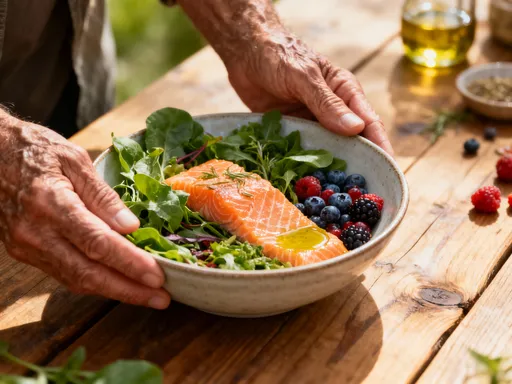
Fatty fish, such as salmon, mackerel, and sardines, played a key role. These are excellent sources of **omega-3 fatty acids**, particularly EPA and DHA, which have powerful anti-inflammatory effects. Omega-3s help protect the intervertebral discs by reducing nerve irritation and supporting disc hydration. I aimed for at least two servings per week, either grilled, baked, or added to salads. For plant-based omega-3s, I included walnuts, chia seeds, and flaxseeds in my meals.
Healthy fats were emphasized throughout the day. Extra virgin olive oil replaced butter and margarine. It’s rich in oleocanthal, a compound with effects similar to ibuprofen, minus the side effects. I used it in dressings, drizzled it over roasted vegetables, and even added it to soups. Nuts like almonds and walnuts provided additional healthy fats, fiber, and vitamin E, another antioxidant that supports nerve health.
One of the most impactful additions was turmeric. This golden spice contains **curcumin**, a compound with strong anti-inflammatory properties. I started adding a pinch to scrambled eggs, soups, and rice dishes. To enhance absorption, I paired it with black pepper and a source of fat, like olive oil or avocado. Over time, this small habit contributed to a noticeable reduction in stiffness and discomfort.
Simple swaps made the transition easier. Instead of butter on toast, I used mashed avocado. Instead of sugary yogurt, I chose plain Greek yogurt topped with berries and a sprinkle of nuts. These changes didn’t feel restrictive—they felt like upgrades. And the benefits went beyond my back. My skin cleared up, my energy stabilized, and I felt more in tune with my body.
Hydration and Micronutrients: The Silent Supporters
While food took center stage, I soon realized that **hydration** and **micronutrients** were equally important for spinal health. The intervertebral discs are composed largely of water—up to 80% in healthy adults. When dehydrated, these discs lose volume and elasticity, making them less effective as shock absorbers. This can increase pressure on the spine and contribute to pain. I made it a habit to drink water throughout the day, starting with a glass first thing in the morning. Herbal teas and water-rich foods like cucumbers and watermelon also helped maintain hydration.
Equally vital were key micronutrients. **Magnesium** stood out for its role in muscle relaxation. Deficiency is common, especially in those with chronic pain, and can lead to muscle cramps and tension. I increased my intake through foods like spinach, pumpkin seeds, black beans, and bananas. **Vitamin D**, often called the sunshine vitamin, supports bone density and immune regulation. Since few foods naturally contain it, I focused on fatty fish, egg yolks, and fortified plant milks, while also spending time outdoors when possible.
**Calcium** is essential for strong vertebrae, but I learned that it works best in balance with vitamin D and magnesium. Rather than relying on supplements, I prioritized whole food sources: dairy (if tolerated), leafy greens, almonds, and fortified foods. I also paid attention to **vitamin K2**, which helps direct calcium to the bones and away from soft tissues. It’s found in fermented foods like natto, certain cheeses, and egg yolks.
The goal wasn’t to chase perfection or take a dozen supplements. It was to build a diet that naturally provided these nutrients through consistent, enjoyable meals. Over time, my body began to feel more resilient. The constant background ache softened. I could move with greater ease, and my confidence in my body’s ability to heal grew.
Putting It All Together: A Day of Eating for Lumbar Support
Change becomes real when it’s woven into daily life. Here’s what a typical day of eating looked like for me as I focused on supporting my lower back:
Breakfast started with a bowl of steel-cut oats cooked in water or unsweetened almond milk, topped with blueberries, walnuts, chia seeds, and a sprinkle of cinnamon. This meal provided complex carbohydrates, fiber, omega-3s, and antioxidants—all without spiking blood sugar. I drank a large glass of water alongside it.
Lunch was often a large salad with mixed greens, grilled salmon, cherry tomatoes, cucumbers, avocado, and a dressing made of olive oil, lemon juice, and a pinch of turmeric and black pepper. This combination delivered anti-inflammatory fats, high-quality protein, and a spectrum of vitamins and minerals. I ate slowly, savoring each bite, which helped with digestion and satisfaction.
For a mid-afternoon snack, I might have a small handful of almonds and an apple, or carrot sticks with hummus. These kept my energy steady without overloading my system.
Dinner varied but always included a lean protein, vegetables, and healthy fat. One favorite was baked chicken seasoned with turmeric and garlic, served with roasted sweet potatoes and steamed broccoli. Another option was a lentil stew with tomatoes, onions, and spinach, finished with a drizzle of olive oil. I avoided eating within three hours of bedtime to support digestion and reduce nighttime inflammation.
Throughout the day, I stayed mindful of portion sizes and listened to my body’s hunger cues. I didn’t count calories, but I focused on nutrient density. The results weren’t immediate, but after about eight weeks, I noticed a significant shift. The constant stiffness was gone. I could sit for longer periods without discomfort. And most importantly, I felt in control of my health in a way I hadn’t before.
Beyond Diet: Why Food Is Just One Pillar
While dietary changes were transformative, I learned they work best as part of a broader approach to spinal health. Nutrition laid the foundation, but movement, posture, and professional guidance were equally important. I returned to gentle stretching and incorporated daily walks, which improved circulation and kept my spine mobile. I became more aware of my posture at work, adjusting my chair and taking breaks to stand and move every hour.
I also consulted a physical therapist who helped me strengthen my core muscles—key for supporting the lower back. These exercises, combined with better nutrition, created a powerful synergy. I didn’t abandon medical care; instead, I used it wisely. When pain flared, I sought evaluation to rule out serious conditions. But I no longer saw my back pain as something to be masked with painkillers, but as a signal to examine my lifestyle.
Every woman in her 30s, 40s, or 50s knows how easy it is to put her own health last—between family, work, and daily demands. But this journey taught me that self-care isn’t selfish. It’s necessary. Small, consistent choices—choosing water over soda, walking instead of scrolling, cooking a nourishing meal—add up to long-term well-being.
Lower back pain doesn’t have to be a life sentence. By understanding the role of inflammation and embracing a real food-based approach, you can support your spine from the inside out. It’s not about perfection, but progress. And with each healthy choice, you’re not just calming your back—you’re honoring your body’s ability to heal, adapt, and thrive.