What I Learned About Vitamin Supplements the Hard Way
For months, I chased faster body recovery with vitamin supplements, believing more meant better. I popped pills thinking they’d boost healing, energy, and immunity—only to feel worse. Turns out, not all supplements help, and some can slow recovery. This is what I discovered about the hidden pitfalls, misconceptions, and truths behind supplement use during healing—and why a smarter approach made all the difference.
The Recovery Trap: Why I Turned to Supplements
After a prolonged bout of illness and months of unrelenting fatigue, I was desperate for relief. My days were spent in a fog, my energy drained by the simplest tasks. I wanted to return to normal life—to care for my family, manage my home, and reclaim the vitality I once took for granted. That’s when I turned to vitamin supplements, convinced they were the missing piece. At the drugstore, I filled my basket with bottles labeled “immune support,” “energy booster,” and “complete recovery blend.” I believed that if vitamins are essential for health, then more must mean faster healing.
My thinking was simple: if my body was weak, it needed extra nourishment. I began taking a high-dose multivitamin, vitamin C, B-complex, zinc, and a separate vitamin D supplement—sometimes doubling the dose when I felt particularly run down. I saw supplements as a safety net, a way to compensate for poor appetite and low energy during recovery. I wasn’t alone in this belief. Millions of people turn to over-the-counter vitamins during illness, assuming they are harmless and helpful. But I didn’t stop to ask whether my body actually needed them, or if I was doing more harm than good.
The idea that vitamins automatically lead to healing is deeply embedded in modern wellness culture. Advertisements promise stronger immunity, faster recovery, and renewed energy—all with a daily pill. This messaging creates a false sense of security. It suggests that we can outsource our health to a bottle, bypassing the harder work of balanced eating, rest, and medical guidance. I fell into this trap because I wanted a quick fix, a shortcut back to feeling like myself. What I didn’t realize was that recovery is not a numbers game—more vitamins do not equal faster healing. In fact, without proper understanding, supplementation can disrupt the very processes it’s meant to support.
The Shock: When Supplements Didn’t Help—They Hurt
Instead of feeling better, I began to feel worse. The fatigue persisted, but now it was accompanied by new problems—digestive discomfort, frequent headaches, and difficulty sleeping. I experienced bloating and occasional nausea, especially after taking my morning stack of pills. At night, I’d lie awake, my mind racing despite physical exhaustion. I became irritable and anxious, snapping at my children over small things. These symptoms confused me. I had expected supplements to heal, not harm. Was it possible that what I believed was helping was actually making things worse?
One evening, after yet another restless night, I sat with my pill organizer and questioned everything. I counted the capsules—seven in total—and wondered how so many “good” things could lead to such discomfort. I began researching, not just marketing claims, but actual medical literature. What I found startled me: excessive intake of certain vitamins, especially fat-soluble ones like A, D, E, and K, can accumulate in the body and cause toxicity. High doses of B6 have been linked to nerve damage, while too much zinc can impair copper absorption and weaken immunity over time. I realized I was taking levels far beyond what my body could safely process, all without knowing my actual nutrient status.
The turning point came when I consulted a healthcare provider. After reviewing my supplement routine, she asked, “Have you had your levels tested?” I hadn’t. I was treating my body like a machine that needed more fuel, without checking the dashboard. She explained that supplements are not universally beneficial—they are tools, not magic bullets. Taking them without medical indication can lead to imbalances, interfere with nutrient absorption, and even delay recovery. That conversation shattered my assumptions. I had been so focused on doing something that I overlooked the importance of doing the right thing.
The Science Behind Vitamin Absorption and Recovery
Healing is a complex biological process that relies on a delicate balance of nutrients, hormones, and cellular activity. Vitamins play a crucial role, but not in the way many assume. They are not energy sources themselves, nor do they directly “cure” illness. Instead, they act as co-factors—helper molecules that enable enzymes to carry out essential functions like tissue repair, immune response, and energy production. For example, vitamin C supports collagen formation, vital for wound healing, while B vitamins assist in converting food into usable energy. But these processes only work efficiently when vitamins are present in the right amounts and forms.
One of the most important lessons I learned is the difference between correcting a deficiency and megadosing. If someone lacks vitamin D due to limited sun exposure, supplementation can significantly improve immune function and mood. But taking high doses when levels are already sufficient offers no added benefit and may cause harm. The body has evolved to manage nutrients within a specific range. Exceeding that range doesn’t speed up healing—it overwhelms the system. This is especially true for fat-soluble vitamins, which are stored in the liver and fatty tissues and can build up to toxic levels over time.
Equally important is how the body absorbs and utilizes vitamins. Not all forms are equally effective. For instance, vitamin D3 (cholecalciferol) is more readily absorbed than D2 (ergocalciferol). Similarly, magnesium glycinate is better tolerated than magnesium oxide, which can cause digestive upset. Timing also matters. Some vitamins, like B-complex, are best taken in the morning because they support energy metabolism and may interfere with sleep if taken late in the day. Others, like vitamin D, are fat-soluble and should be taken with a meal containing healthy fats to improve absorption. Simply swallowing a pill is not enough—the context of use determines its effectiveness.
Common Pitfalls Most People Make with Supplements
One of the most widespread misconceptions is that “natural” means safe in any amount. Because vitamins are derived from natural sources or are naturally present in the body, many assume they are harmless. But this is a dangerous oversimplification. Water is natural, yet too much can lead to hyponatremia, a life-threatening condition. The same principle applies to vitamins. Just because something is essential doesn’t mean more is better. The dose makes the poison—a principle known in toxicology for centuries. Yet, this wisdom is often ignored in the world of supplements, where “high potency” is marketed as superior.
Another common mistake is ignoring nutrient interactions. Vitamins and minerals don’t work in isolation; they influence each other’s absorption and function. For example, high doses of calcium can interfere with iron absorption, which is critical for women, especially those with heavy menstrual cycles or a history of anemia. Similarly, long-term zinc supplementation without copper can lead to copper deficiency, affecting nerve and blood cell health. Even vitamin C, often seen as harmless, can enhance iron absorption to potentially unsafe levels in individuals with hemochromatosis, a genetic disorder of iron overload. These interactions are rarely discussed on supplement labels, leaving consumers unaware of potential risks.
Perhaps the biggest oversight is the failure to prioritize food-first strategies. Whole foods contain a matrix of nutrients, fiber, and phytochemicals that work synergistically to support health. A serving of spinach provides not just iron, but also vitamin C, which enhances iron absorption, along with magnesium, folate, and antioxidants. A supplement may provide isolated iron, but without the supporting cast, its benefit is limited. During recovery, the body needs complex nutrition—not isolated compounds. Yet, many people reach for pills before considering whether their diet meets basic needs. Food is the foundation; supplements are, at best, a temporary support.
When Supplements Help—And When They Don’t
It’s important to be clear: supplements can be valuable, but only in the right context. They are most effective when used to correct a diagnosed deficiency. For example, vitamin D supplementation is well-supported in individuals with low levels, particularly in northern climates with limited sunlight. Studies show that restoring adequate vitamin D status can improve immune function, support bone health, and even enhance mood. Similarly, iron supplements are essential for those with iron-deficiency anemia, helping to restore energy and prevent complications. In these cases, supplementation is not a guess—it’s a targeted intervention based on medical evidence.
However, in the absence of deficiency, adding extra vitamins rarely provides measurable benefits. A comprehensive review published in the Annals of Internal Medicine found that multivitamins do not reduce the risk of heart disease, cancer, or cognitive decline in well-nourished adults. Another study showed that high-dose antioxidant supplements like vitamin E and beta-carotene may actually increase mortality in some populations. These findings challenge the assumption that more is better. The body maintains tight control over nutrient levels; when flooded with excess, it may downregulate natural absorption or excrete the surplus, rendering the supplements ineffective.
The key to responsible supplementation is individualization. This starts with testing. Blood tests can identify actual deficiencies, guiding decisions about whether and which supplements are needed. For example, a simple blood test can reveal low vitamin B12 levels, common in older adults or those with digestive issues, which can then be addressed with appropriate dosing. Without testing, supplementation becomes a game of chance. It’s also important to consider life stage, diet, health conditions, and medications. A postmenopausal woman may benefit from calcium and vitamin D for bone health, while a vegetarian might need B12 supplementation. But these decisions should be informed, not impulsive.
My Recovery Reset: A Smarter Supplement Strategy
My journey toward better health began with letting go of the pill bottle mentality. I stopped taking every supplement I had collected and started over—with guidance. I worked with a healthcare provider to order blood tests that assessed my vitamin D, B12, iron, and other key markers. The results were revealing: I was not deficient in most areas. My vitamin D was slightly low, but not critically so. The rest of my levels were within normal range, meaning all those extra pills were unnecessary. With this knowledge, I simplified my regimen to just two supplements: a moderate-dose vitamin D3 with K2, and a low-dose B-complex, taken only on days when my diet was less than ideal.
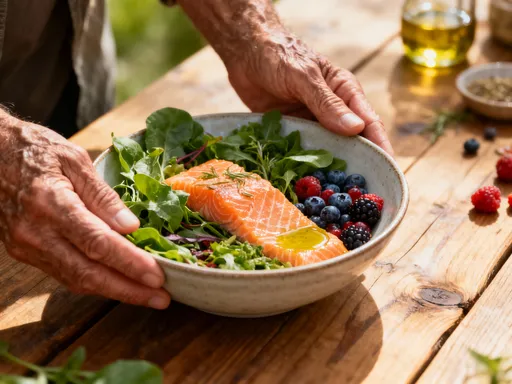
I shifted my focus to food. I began planning meals rich in healing nutrients—leafy greens, lean proteins, whole grains, and healthy fats. I incorporated more soups, stews, and smoothies, which were easier to digest during recovery. I made sure each meal included a source of protein to support tissue repair, complex carbohydrates for sustained energy, and colorful vegetables for antioxidants. I also paid attention to meal timing, avoiding large meals late at night that disrupted sleep. Nutrition became an act of self-care, not a chore. I discovered that real nourishment doesn’t come in a capsule—it comes from the care and intention behind what I put on my plate.
Another critical change was involving a professional. I consulted a registered dietitian who helped me create a personalized nutrition plan based on my health history, lifestyle, and goals. This wasn’t about following a trendy diet, but about building sustainable habits. We discussed portion sizes, food combinations, and realistic ways to maintain healthy eating despite a busy schedule. Having expert support removed the guesswork and gave me confidence in my choices. I learned that health is not about perfection, but about consistency and balance. The right supplement, taken at the right time, for the right reason, can support recovery—but it should never replace professional guidance.
What Truly Supports Body Recovery—Beyond the Pill Bottle
As my energy returned, I realized that recovery was never about the supplements. It was about the small, consistent choices I made every day. Sleep became a priority. I established a bedtime routine—turning off screens an hour early, drinking herbal tea, and reading to quiet my mind. I aimed for seven to eight hours of restful sleep, knowing that tissue repair and immune function peak during deep sleep. Hydration also played a bigger role than I’d realized. I started carrying a water bottle and drinking herbal infusions throughout the day, which helped with digestion and energy levels.
Stress management became part of my healing plan. Chronic stress elevates cortisol, which can suppress immune function and slow recovery. I began practicing gentle yoga and mindful breathing, not for fitness, but for calm. I set boundaries around my time, learning to say no when needed and asking for help from family members. I also reconnected with nature—walking in the park, tending to my garden—activities that grounded me and lifted my mood. These practices didn’t promise instant results, but over time, they created a foundation for resilience.
Nutrition remained central, but not in a restrictive way. I allowed myself flexibility, understanding that occasional treats didn’t undo progress. What mattered was the overall pattern—eating mostly whole, nutrient-dense foods, prepared with care. I involved my family in meal planning, making it a shared activity that strengthened our bond. I taught my children about balanced eating, not through lectures, but by modeling it. Healing, I learned, is not just physical. It’s emotional, mental, and relational. It’s about creating a life that supports well-being, not chasing a quick fix in a bottle.
Recovery isn’t about how many pills you take—it’s about giving your body what it truly needs. My journey taught me that supplements can help, but only when used wisely and in the right context. The real win came not from bottles on the shelf, but from understanding my body, respecting its limits, and building sustainable habits. Healing is a process, not a supplement.